


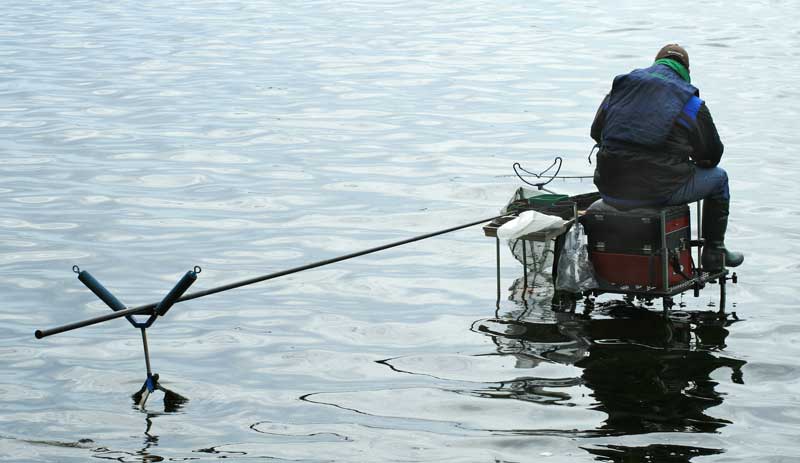
What is Coarse Fishing?
December 7, 2023
Prawns and Shrimp For Fishing Bait
January 11, 2024
Game fishing, also known as sport fishing, is a popular form of angling that targets game fish, which are fish pursued for sport by recreational anglers. This type of fishing is practiced around the world in both freshwater and saltwater environments and is known for targeting species like trout, salmon, marlin, and tuna. This article explores the various aspects of game fishing, including its history, techniques, popular species, equipment used, conservation efforts, and its significance in the angling and broader community.
History of Game Fishing
Game fishing has a rich history, with roots tracing back to ancient civilizations where fishing was primarily for sustenance. Over time, it evolved into a sport, with the British aristocracy in the 19th century particularly influential in its development. Initially, the focus was on freshwater species like trout and salmon, but it eventually expanded to include a variety of saltwater species.
Techniques and Tactics
Game fishing incorporates a range of techniques, each tailored to specific environments and target species. Some popular methods include:
- Fly Fishing: Often used in freshwater environments, especially for trout and salmon. It involves using a lightweight lure, or ‘fly,’ to mimic natural prey.
- Trolling: A method commonly used in saltwater, where lures or baited lines are drawn through the water behind a moving boat.
- Jigging: Involves using a jig, a type of lure, which is moved up and down in the water column to attract fish.
- Deep Sea Fishing: Targets fish found in the deeper parts of the ocean, often using heavy tackle and bait.
Popular Game Fish Species
The allure of game fishing lies in the diversity and challenge of the species targeted. Some of the most sought-after game fish include:
- Trout and Salmon: Freshwater favorites, known for their fighting ability and popularity in fly fishing.
- Marlin and Sailfish: Large, fast, and powerful, these fish are the epitome of saltwater game fishing.
- Tuna: Includes several species, valued for their size and strength.
- Bass: A popular target in both freshwater and saltwater, known for their aggressive strikes and vigorous fights.
Equipment and Gear
Game fishing requires specialized equipment, varying based on the type of fishing:
- Rods and Reels: Ranging from lightweight setups for fly fishing to heavy-duty gear for deep-sea fishing.
- Lines and Leaders: Chosen based on the target species and the environment.
- Lures and Baits: Specific to the type of fish being targeted, ranging from artificial flies to live bait.
Conservation and Ethical Practices
Catch and release is a crucial aspect of game fishing, emphasizing the importance of preserving fish populations and habitats. Ethical practices such as using barbless hooks and handling fish carefully are encouraged to minimize the impact on the fish.
Social and Cultural Impact
Game fishing has a significant social aspect, bringing together anglers from diverse backgrounds. It’s often seen as a way to connect with nature and escape from the stresses of modern life. Game fishing tournaments and clubs also play a vital role in building a sense of community among anglers.
Economic Impact
The economic impact of game fishing is substantial, supporting industries like tourism, boating, and tackle manufacturing. In many regions, it is a significant contributor to the local economy, drawing anglers from around the world.
Game Fishing in the Modern Age
Advancements in technology have greatly influenced game fishing. Modern gear has become more efficient and environmentally friendly, and digital platforms provide a space for anglers to share experiences and knowledge.
Challenges and the Future
Environmental concerns, such as climate change, pollution, and overfishing, pose significant challenges to game fishing. The community plays a vital role in advocating for sustainable practices and conservation. The future of game fishing depends on balancing the sport’s enjoyment with responsible stewardship of aquatic ecosystems.
Conclusion
Game fishing is a multifaceted sport that combines skill, patience, and respect for nature. It offers a unique way for people to engage with the environment, promoting both conservation and a deeper appreciation of the natural world. As an activity that challenges both physically and mentally, game fishing continues to captivate and inspire anglers worldwide, preserving its status as a revered and sustainable form of recreation.


