


Choosing what’s right
September 12, 2016
What is Game Fishing?
December 7, 2023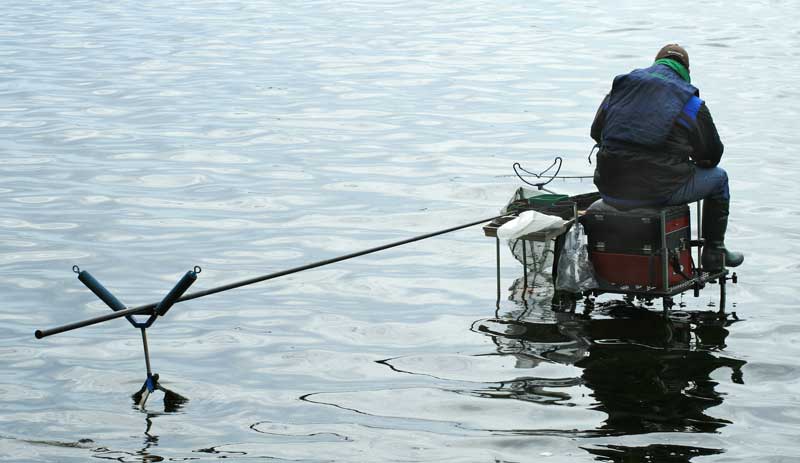
Coarse Fishing is a popular angling method primarily practiced in the United Kingdom and Europe. It involves fishing for freshwater fish that are traditionally considered “coarse” or not commonly eaten, such as carp, bream, and pike. This article delves into the various aspects of coarse fishing, including its history, techniques, popular species targeted, equipment used, and its significance in the angling community.
History of Coarse Fishing
Coarse fishing has its roots in the traditional fishing practices of Europe. Historically, the distinction between coarse and game fishing was based on the type of fish targeted. Game fishing focused on trout and salmon, which were considered more prestigious and often required more delicate fishing techniques. In contrast, coarse fishing was seen as more accessible, targeting a wider range of species in various freshwater environments.
Techniques and Tactics
Coarse fishing encompasses a variety of techniques, each suited to different types of water and species. Some of the most common methods include:
- Float Fishing: This involves using a float or bobber to present the bait at the desired depth. It’s a versatile technique effective in still waters or slow-moving rivers.
- Legering and Feeder Fishing: This method uses a weight to anchor the bait on the bottom. A feeder is often used to release bait slowly around the hook to attract fish.
- Pole Fishing: Involves using a long, flexible pole without a reel. The bait is dangled directly into the water, allowing for precise placement.
- Match Fishing: A competitive form of coarse fishing where anglers aim to catch the most or the heaviest fish within a set time.
Popular Coarse Fish Species
Coarse fishing targets a wide array of species, each requiring different tactics. Some of the most sought-after species include:
- Carp: Known for their strength and size, they are a favorite among coarse anglers.
- Bream: A shoal fish that can be caught in numbers, especially during feeder fishing.
- Pike: A predatory fish known for its aggressive strikes, often targeted using lures or live baits.
- Roach and Rudd: Smaller species that provide a challenge due to their cautious feeding habits.
Equipment and Gear
Coarse fishing requires specific equipment, including:
- Rods: Varying in length and strength depending on the target species and technique.
- Reels: Used in all methods except pole fishing, with the choice depending on the method and species.
- Line and Hooks: The size and strength are chosen based on the target species.
- Baits: Range from natural baits like worms and maggots to artificial lures and boilies for carp fishing.
Conservation and Ethical Practices
Coarse fishing is closely tied to conservation efforts and ethical fishing practices. Catch and release are common, especially for species like carp. Anglers often use barbless hooks to minimize harm to the fish, and the use of keepnets is regulated to ensure the health and safety of the fish.
Social and Cultural Impact
Coarse fishing is more than just a hobby; it’s a significant social activity. It brings together people of all ages and backgrounds, fostering a sense of community and shared passion for the outdoors and wildlife. Many anglers find coarse fishing to be a relaxing escape from the hustle of daily life, providing a unique combination of tranquility and excitement.
Economic Impact
Coarse fishing also contributes significantly to the local economy. It supports a wide range of businesses, including tackle shops, bait suppliers, and fishing venues. Additionally, fishing licenses and permits generate revenue that often goes towards conservation and maintaining waterways.
Coarse Fishing in the Modern Age
With the advent of modern technology, coarse fishing has evolved. Social media and online platforms have become essential tools for sharing tips, showcasing catches, and organizing events. Technological advancements in gear and equipment have also enhanced the angling experience, making it more efficient and enjoyable.
Challenges and the Future
Coarse fishing faces several challenges, including environmental changes, pollution, and habitat loss. The angling community plays a vital role in advocating for sustainable practices and conservation efforts to protect the waterways and fish populations.
As interest in outdoor activities and sustainable practices grows, coarse fishing is likely to continue evolving, balancing tradition with innovation. It remains a beloved pastime that connects people with nature and each other, fostering a sense of stewardship for the environment.
